Young people have always been a driving force behind innovation, creativity, and social progress. As technology transforms industries and the global job market evolves, developing practical skills has become more important than ever. Education remains essential, but employers increasingly value individuals who can solve problems, adapt to change, communicate effectively, and apply knowledge in real-world situations.
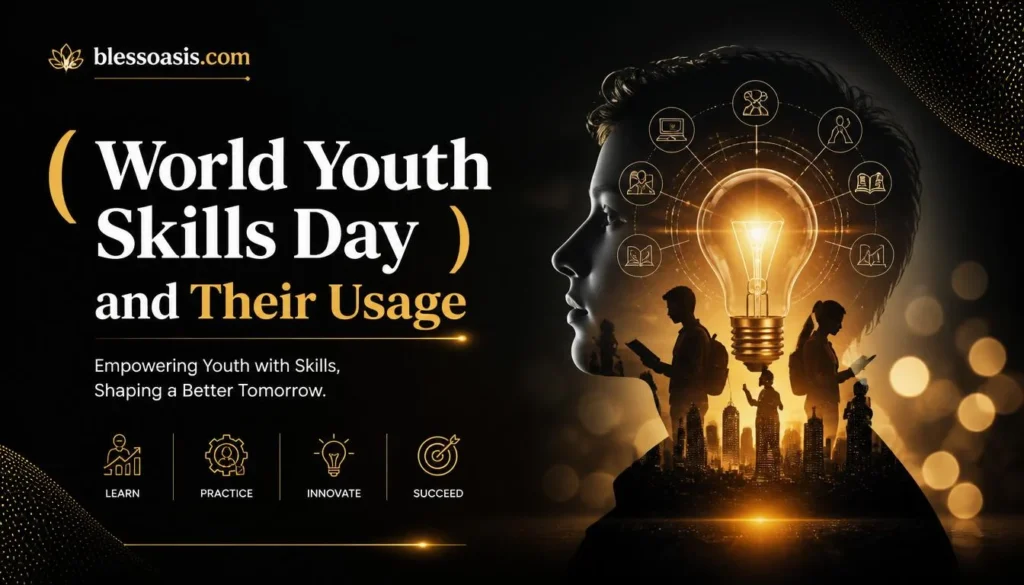
World Youth Skills Day celebrates the importance of equipping young people with the technical, digital, and life skills they need to succeed in work, entrepreneurship, and everyday life. It also highlights the role of governments, educators, employers, and communities in creating opportunities that help youth build meaningful careers and contribute to sustainable development.
Whether you’re a student, teacher, parent, employer, or lifelong learner, this comprehensive guide explains everything you need to know about World Youth Skills Day—its history, purpose, significance, and why investing in youth skills benefits everyone.
What Is World Youth Skills Day?
World Youth Skills Day is observed every year on July 15 to recognize the importance of equipping young people with skills for employment, decent work, entrepreneurship, and lifelong learning.
The day promotes awareness about:
- Technical and vocational education
- Digital skills
- Employability
- Entrepreneurship
- Innovation
- Career readiness
- Lifelong learning
- Youth empowerment
- Sustainable development
It serves as a reminder that developing practical skills helps young people adapt to changing workplaces and build brighter futures.
Why World Youth Skills Day Matters
The world of work is changing rapidly.
Automation, artificial intelligence, digital transformation, and globalization continue to reshape industries. Many jobs that exist today require skills that were uncommon just a decade ago, while entirely new careers continue to emerge.
World Youth Skills Day highlights the importance of preparing young people for these changes by investing in education, vocational training, and continuous skill development.
The observance also encourages collaboration between schools, governments, employers, and training institutions to bridge the gap between education and employment.
When Is World Youth Skills Day?
World Youth Skills Day is observed every year on July 15.
The date remains the same each year and is recognized globally through educational programs, awareness campaigns, workshops, and community events.
Upcoming Dates
| Year | Day | Date |
|---|---|---|
| 2026 | Wednesday | July 15 |
| 2027 | Thursday | July 15 |
| 2028 | Saturday | July 15 |
| 2029 | Sunday | July 15 |
| 2030 | Monday | July 15 |
History of World Youth Skills Day
Understanding the origins of World Youth Skills Day helps explain why it has become increasingly relevant in today’s economy.
How the Observance Began
In 2014, the United Nations General Assembly proclaimed July 15 as World Youth Skills Day.
The objective was to recognize the strategic importance of equipping young people with skills for employment, decent work, entrepreneurship, and sustainable development.
The first official observance took place in 2015.
Why It Was Established
Youth unemployment and skills gaps remain significant challenges in many parts of the world.
While millions of young people complete formal education each year, employers often seek additional practical abilities such as communication, teamwork, critical thinking, and digital competence.
World Youth Skills Day promotes stronger connections between education systems and labor market needs.
Who Leads World Youth Skills Day?
Several international organizations support the annual observance, including:
- United Nations
- United Nations Educational, Scientific and Cultural Organization
- International Labour Organization
- United Nations Children’s Fund
These organizations work with governments, educational institutions, employers, and civil society to improve access to quality education, vocational training, and lifelong learning opportunities.
What Does “Youth Skills” Mean?
Youth skills include the knowledge, abilities, and personal qualities that help young people succeed in education, employment, entrepreneurship, and community life.
These skills extend far beyond academic qualifications.
They include:
- Technical expertise
- Digital literacy
- Communication
- Collaboration
- Leadership
- Creativity
- Critical thinking
- Adaptability
- Emotional intelligence
- Financial literacy
Developing a balanced combination of these skills helps prepare individuals for an ever-changing world.
Types of Skills Young People Need
Technical Skills
Technical skills involve specialized knowledge required for particular professions.
Examples include:
- Programming
- Graphic design
- Data analysis
- Accounting
- Electrical work
- Healthcare procedures
- Mechanical repair
- Web development
These abilities are often learned through formal education or vocational training.
Soft Skills
Soft skills influence how people interact with others and solve problems.
Highly valued soft skills include:
- Communication
- Teamwork
- Leadership
- Time management
- Problem-solving
- Conflict resolution
- Adaptability
- Decision-making
Many employers consider soft skills just as important as technical qualifications.
Digital Skills
Digital literacy has become essential across nearly every profession.
Important digital skills include:
- Internet research
- Online collaboration
- Cybersecurity awareness
- Spreadsheet management
- Presentation software
- Cloud computing
- Digital communication
- Artificial intelligence literacy
Technology continues to transform workplaces, making digital competence increasingly valuable.
Entrepreneurial Skills
Entrepreneurship involves identifying opportunities and creating value.
Young entrepreneurs benefit from developing:
- Business planning
- Financial management
- Marketing
- Innovation
- Customer service
- Negotiation
- Risk assessment
These skills support both business ownership and workplace leadership.
Why Skills Matter More Than Ever
The future job market is evolving quickly.
Employers increasingly seek candidates who can:
- Learn continuously
- Adapt to new technologies
- Communicate effectively
- Solve complex problems
- Collaborate across diverse teams
- Think creatively
- Manage change confidently
Technical expertise alone is often not enough.
The ability to grow and adapt has become one of the most valuable workplace skills.
Benefits of Skill Development
Developing practical skills creates advantages for individuals, employers, and society.
For Young People
Skill development can help:
- Improve employability
- Build confidence
- Increase earning potential
- Expand career opportunities
- Encourage lifelong learning
- Foster independence
For Employers
Organizations benefit from skilled employees through:
- Higher productivity
- Better innovation
- Stronger teamwork
- Reduced training costs
- Improved customer satisfaction
For Society
Communities also gain from investing in youth skills by encouraging:
- Economic growth
- Reduced unemployment
- Innovation
- Social inclusion
- Entrepreneurship
- Sustainable development
Technical and Vocational Education and Training (TVET)
One of the key topics associated with World Youth Skills Day is Technical and Vocational Education and Training (TVET).
TVET focuses on practical, career-oriented learning that prepares students for specific occupations.
Programs may include:
- Construction
- Healthcare
- Hospitality
- Automotive technology
- Information technology
- Agriculture
- Manufacturing
- Renewable energy
TVET complements academic education by providing hands-on experience valued by employers.
Common Challenges Facing Young People
Despite growing opportunities, many young people continue to face barriers when entering the workforce.
Some of these challenges include:
- Skills mismatches
- Limited work experience
- Rapid technological change
- Unequal access to education
- Digital divides
- Economic uncertainty
- Limited career guidance
- Geographic barriers
Addressing these challenges requires collaboration among educators, employers, governments, and communities.
World Youth Skills Day Themes
Each year, World Youth Skills Day highlights a theme that reflects emerging priorities in education, employment, and workforce development.
Common focus areas include:
- Digital transformation
- Green skills
- Future jobs
- Youth entrepreneurship
- Lifelong learning
- Skills for sustainable development
- Innovation
- Inclusive education
These themes encourage conversations about preparing young people for both current and future opportunities.
Skills That Will Shape the Future
The workplace is evolving faster than ever. Advances in technology, automation, artificial intelligence, and global connectivity are transforming how people learn and work. While technical expertise remains valuable, employers increasingly seek professionals who can adapt, collaborate, and continue learning throughout their careers.
World Youth Skills Day encourages young people to build a balanced skill set that prepares them for both today’s opportunities and tomorrow’s challenges.
Digital Literacy
Digital literacy has become a fundamental skill across nearly every industry.
Today’s professionals should understand how to:
- Use productivity software
- Communicate effectively online
- Protect personal and organizational data
- Evaluate online information critically
- Collaborate using digital tools
- Adapt to emerging technologies
Strong digital skills open doors to careers across business, healthcare, education, engineering, finance, media, and countless other sectors.
Critical Thinking
Modern workplaces value people who can analyze information rather than simply memorize facts.
Critical thinkers are able to:
- Evaluate evidence
- Solve complex problems
- Make informed decisions
- Recognize patterns
- Adapt when circumstances change
This ability helps individuals succeed regardless of their chosen profession.
Creativity and Innovation
Innovation isn’t limited to artists or inventors.
Creative thinking helps people:
- Improve existing processes
- Develop new products
- Solve workplace challenges
- Generate fresh ideas
- Build competitive businesses
Organizations increasingly recognize creativity as a key driver of growth.
Communication Skills
Excellent communication remains one of the most valuable career skills.
This includes:
- Speaking clearly
- Active listening
- Professional writing
- Public speaking
- Giving constructive feedback
- Cross-cultural communication
Strong communicators often become effective leaders.
Teamwork and Collaboration
Most careers involve working with others.
Successful professionals know how to:
- Share ideas respectfully
- Resolve disagreements professionally
- Support colleagues
- Accept feedback
- Contribute toward shared goals
Collaboration helps organizations become more productive and innovative.
Leadership Skills
Leadership isn’t defined by job titles.
Young people can demonstrate leadership by:
- Taking initiative
- Supporting teammates
- Solving problems
- Managing projects
- Inspiring others
- Acting responsibly
Leadership experience can begin in school, volunteer work, or community organizations.
Financial Literacy
Understanding personal finance prepares young people for lifelong success.
Important financial skills include:
- Budgeting
- Saving
- Responsible borrowing
- Investing basics
- Tax awareness
- Financial planning
These abilities support both personal and professional stability.
The Role of Education in Skill Development
Education provides the foundation for lifelong learning.
However, modern education increasingly emphasizes applying knowledge rather than memorizing information.
High-quality education helps students:
- Build confidence
- Think independently
- Develop technical expertise
- Improve communication
- Work effectively with others
- Adapt to changing industries
Combining academic learning with practical experiences creates stronger career readiness.
Why Lifelong Learning Matters
Learning doesn’t stop after graduation.
Technology, industries, and workplace expectations continue evolving throughout a person’s career.
Lifelong learning may include:
- Online courses
- Professional certifications
- Workshops
- Industry conferences
- Mentorship
- Self-directed learning
- Reading professional publications
People who continue learning are often better prepared for career advancement.

How Schools Can Celebrate World Youth Skills Day
Educational institutions play an important role in preparing future professionals.
Ideas include:
Classroom Activities
- Career planning workshops
- Resume writing sessions
- Mock interviews
- Public speaking exercises
- Coding demonstrations
- Entrepreneurship challenges
Competitions
Schools may organize:
- Debate competitions
- Innovation contests
- Business idea competitions
- Robotics events
- Science exhibitions
- Technology fairs
These activities encourage creativity, teamwork, and practical learning.
Career Guidance Sessions
Invite professionals from different industries to discuss:
- Career paths
- Workplace expectations
- Emerging industries
- Internship opportunities
- Professional networking
Real-world advice helps students make informed career decisions.
Activities for Colleges and Universities
Higher education institutions can celebrate World Youth Skills Day by hosting:
- Industry panel discussions
- Entrepreneurship boot camps
- Startup showcases
- Internship fairs
- Networking events
- Skill certification workshops
- Artificial intelligence seminars
- Leadership development programs
These events help students connect classroom knowledge with workplace realities.
Workplace Observance Ideas
Organizations can also participate by investing in employee development.
Examples include:
- Professional training sessions
- Mentorship programs
- Leadership workshops
- Digital skills training
- Innovation challenges
- Team-building exercises
- Career development seminars
Supporting continuous learning benefits both employees and employers.
Parents’ Role in Youth Skill Development
Parents influence skill development long before children enter the workforce.
Helpful ways to encourage growth include:
- Supporting curiosity
- Encouraging reading
- Teaching financial responsibility
- Promoting problem-solving
- Allowing age-appropriate independence
- Encouraging volunteer work
- Supporting hobbies and creativity
Positive encouragement builds confidence and resilience.
Real-Life Examples of Skill Development
Skill development often begins through everyday experiences.
Examples include:
Student Entrepreneur
A high school student starts a small online business selling handmade crafts.
Skills developed:
- Marketing
- Customer service
- Budgeting
- Communication
- Time management
Volunteer Experience
A college student volunteers at community events.
Skills gained:
- Leadership
- Organization
- Public speaking
- Teamwork
- Project coordination
Internship Experience
An intern learns workplace communication, professional ethics, and problem-solving while assisting experienced professionals.
Practical experience often strengthens classroom learning.
Benefits of World Youth Skills Day
The observance creates value for many groups.
Students
- Better career awareness
- Increased confidence
- Motivation to learn
- Practical career preparation
Teachers
- Opportunities to promote practical education
- Stronger school-industry collaboration
- Updated teaching approaches
Employers
- Better-prepared future workforce
- Stronger partnerships with educational institutions
- Greater innovation
Society
- Economic development
- Higher productivity
- Reduced unemployment
- Increased entrepreneurship
- Stronger communities
Common Mistakes Young People Make
Building skills takes time.
Avoid these common mistakes:
- Relying only on academic grades.
- Ignoring soft skills.
- Avoiding networking opportunities.
- Resisting feedback.
- Waiting until graduation to gain experience.
- Neglecting digital literacy.
- Failing to continue learning.
Every experience offers an opportunity to grow.
Myths vs. Facts
| Myth | Fact |
|---|---|
| Good grades alone guarantee success. | Employers value both academic achievement and practical skills. |
| Technical skills are all that matter. | Communication, teamwork, and leadership are equally important. |
| Learning ends after college. | Continuous learning is essential throughout a career. |
| Entrepreneurship is only for business students. | Entrepreneurial thinking benefits people in every profession. |
Pros and Cons of Skill Development Programs
| Advantages | Challenges |
|---|---|
| Improved employability | Time commitment |
| Greater confidence | Access may vary by location |
| Higher productivity | Some programs require financial investment |
| Better career opportunities | Continuous updating is necessary |
| Encourages innovation | Quality differs among providers |
The long-term benefits generally outweigh the challenges.
Expert Insights
Career experts consistently emphasize that future success depends on combining technical expertise with adaptability, communication, and lifelong learning.
Young professionals who remain curious, embrace change, and actively develop new skills are often better prepared to navigate evolving industries and career opportunities.
Inspirational Quotes for World Youth Skills Day
Here are a few original quotes suitable for awareness campaigns, presentations, and social media.
“Skills unlock opportunities, but continuous learning keeps those opportunities growing.”
“Every new skill learned today creates possibilities for tomorrow.”
“Education opens doors, while skills help you walk through them with confidence.”
“Invest in young minds, and you invest in a stronger future.”
“The most valuable skill is the willingness to keep learning.”
Social Media Caption Ideas
- Celebrate World Youth Skills Day by learning something new today.
- Skills shape careers, communities, and the future. Happy World Youth Skills Day!
- Learning never stops. Keep growing every day.
- Today’s skills build tomorrow’s opportunities.
- Empower youth through education, innovation, and lifelong learning.
Image Ideas
Enhance your article or campaign with visuals such as:
- Students working together on a project
- Young entrepreneurs presenting business ideas
- Coding workshop in progress
- Vocational training classroom
- Robotics competition
- Teacher mentoring students
- Internship workplace environment
- Career fair booth
- Youth leadership workshop
- Diverse young professionals collaborating
People Also Ask
Why is World Youth Skills Day important?
It highlights the importance of equipping young people with practical, technical, and digital skills that improve employability, entrepreneurship, and lifelong learning.
Who celebrates World Youth Skills Day?
Schools, colleges, universities, governments, businesses, non-profit organizations, educators, employers, and young people around the world participate.
What skills are most important for future jobs?
Technical expertise, digital literacy, communication, critical thinking, teamwork, creativity, adaptability, and leadership are among the most valuable skills.
How can students celebrate World Youth Skills Day?
Students can participate in workshops, career fairs, coding events, public speaking competitions, entrepreneurship challenges, volunteer activities, and skill-building courses.
Frequently Asked Questions (FAQs)
1. What is World Youth Skills Day?
World Youth Skills Day is observed every year on July 15 to highlight the importance of equipping young people with the skills needed for employment, entrepreneurship, and lifelong learning.
2. When is World Youth Skills Day celebrated?
It is celebrated annually on July 15.
3. Who established World Youth Skills Day?
The United Nations General Assembly declared July 15 as World Youth Skills Day in 2014, and the first official observance took place in 2015.
4. Why is World Youth Skills Day important?
The day raises awareness about preparing young people for changing job markets through education, vocational training, digital literacy, and practical workplace skills.
5. What are youth skills?
Youth skills include a combination of:
- Technical skills
- Soft skills
- Digital skills
- Leadership
- Critical thinking
- Creativity
- Communication
- Financial literacy
- Entrepreneurship
Together, these skills help young people succeed in education, careers, and community life.
6. What is TVET?
Technical and Vocational Education and Training (TVET) provides practical, career-focused education that prepares learners for specific occupations through hands-on training and industry-relevant skills.
7. Why are digital skills important?
Digital skills enable young people to:
- Use technology effectively
- Collaborate online
- Adapt to workplace innovations
- Improve productivity
- Access learning opportunities
- Build careers across many industries
8. How can schools celebrate World Youth Skills Day?
Schools can organize:
- Career fairs
- Skill workshops
- Coding competitions
- Public speaking events
- Entrepreneurship challenges
- Poster contests
- Debates
- Innovation exhibitions
9. What role do employers play?
Employers contribute by offering:
- Internships
- Apprenticeships
- Mentorship programs
- Workplace training
- Career guidance
- Professional development opportunities
These experiences help young people transition successfully into employment.
10. How can parents support skill development?
Parents can encourage:
- Reading
- Problem-solving
- Creativity
- Responsibility
- Time management
- Financial literacy
- Volunteer work
- Lifelong learning habits
11. Can anyone continue learning new skills?
Absolutely. Skill development is a lifelong process. Regardless of age or career stage, learning new skills helps individuals adapt to changing technologies, industries, and opportunities.
12. How can individuals observe World Youth Skills Day?
People can celebrate by:
- Learning a new skill
- Taking an online course
- Attending a workshop
- Volunteering as a mentor
- Sharing educational resources
- Supporting youth training initiatives
- Encouraging lifelong learning in their communities
Quick Summary
| Topic | Key Information |
|---|---|
| Date | July 15 |
| Established | 2014 |
| First Observed | 2015 |
| Created By | United Nations General Assembly |
| Main Purpose | Promote youth skill development and employability |
| Focus Areas | Education, TVET, digital skills, entrepreneurship, lifelong learning |
| Global Audience | Students, educators, employers, governments, communities |
Key Takeaways
Before you leave, here are the most important lessons from this guide:
- World Youth Skills Day is celebrated every year on July 15.
- The observance recognizes the value of equipping young people with practical, technical, and digital skills.
- Success in today’s workforce requires a combination of technical expertise, communication, adaptability, leadership, and continuous learning.
- Technical and Vocational Education and Training (TVET) complements traditional education by providing hands-on experience.
- Parents, teachers, employers, governments, and communities all play important roles in supporting youth development.
- Lifelong learning helps individuals remain competitive in an evolving global economy.
- Investing in youth skills contributes to stronger economies, more innovative workplaces, and sustainable development.
Conclusion
Young people are not only the workforce of tomorrow—they are innovators, entrepreneurs, leaders, and changemakers today. World Youth Skills Day reminds us that investing in their education and skill development is one of the most effective ways to build stronger communities, resilient economies, and a more sustainable future.
As industries continue to evolve through digital transformation, artificial intelligence, and technological innovation, the demand for adaptable, creative, and skilled individuals will only continue to grow. Developing technical knowledge, strengthening communication abilities, embracing lifelong learning, and gaining real-world experience are no longer optional—they are essential for long-term success.
Whether you’re a student preparing for your first job, a teacher inspiring the next generation, a parent supporting a child’s ambitions, or an employer investing in talent, every effort to build skills creates lasting value. By celebrating World Youth Skills Day on July 15, we reaffirm our commitment to empowering young people with the confidence, knowledge, and opportunities they need to thrive in an ever-changing world.
DISCOVER MORE ARTICLES
World Population Day: History, Facts & Importance 2026
World Chocolate Day: History, Facts & Celebration Guide 2026
World Zoonoses Day: History, Meaning & Prevention 2026

Shahzad is the Founder of BlessOasis, a faith-inspired website sharing heartfelt blessings, prayers, wishes, Bible verses, and uplifting messages to bring hope, comfort, and encouragement to readers.