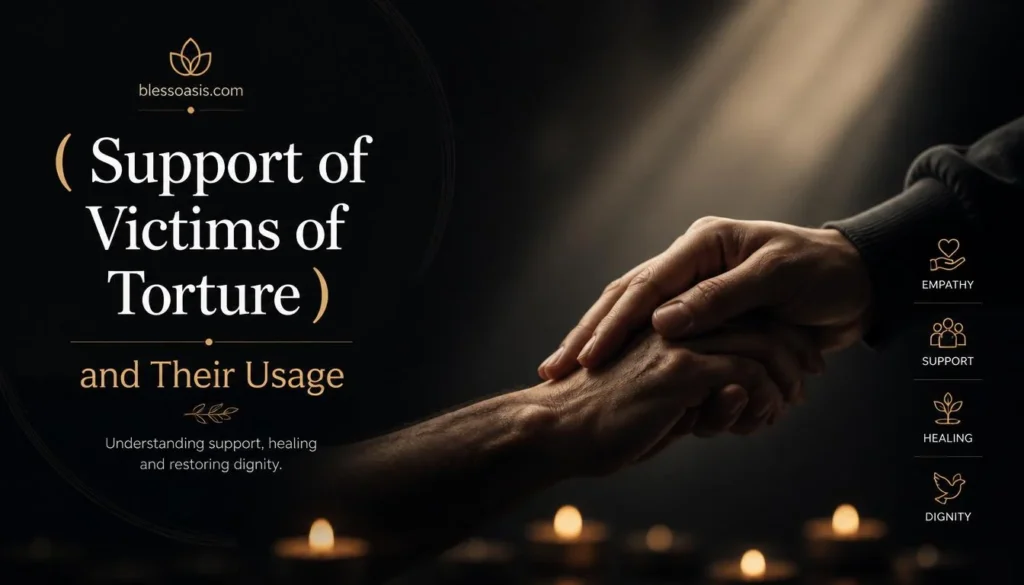
Torture is one of the most severe violations of human dignity and human rights. Its impact extends far beyond physical pain, often leaving survivors with long-lasting psychological, emotional, social, and economic consequences.
For victims, survival is only the beginning of a much longer journey. Recovery requires compassion, professional care, legal protection, community support, and access to resources that help rebuild lives.
The support of victims of torture is therefore not simply a humanitarian responsibility. It is a legal, moral, medical, and social obligation shared by governments, healthcare professionals, human rights organizations, communities, and individuals.
This guide explores what torture is, how it affects survivors, what support systems are available, and how societies can contribute to healing and justice.
Quick Summary
What Is Support of Victims of Torture?
Support of victims of torture refers to the medical, psychological, legal, social, and economic assistance provided to individuals who have experienced torture or cruel, inhuman, or degrading treatment.
Key Components of Support
- Trauma-informed healthcare
- Psychological counseling
- Rehabilitation services
- Legal assistance
- Human rights protection
- Family support
- Community reintegration
- Education and employment assistance
- Safe housing and protection services
- Long-term recovery programs
Why It Matters
Effective support helps survivors:
- Recover physically and emotionally
- Regain independence
- Rebuild trust and relationships
- Access justice
- Improve quality of life
- Restore dignity and hope
Understanding Torture
What Is Torture?
Torture involves the intentional infliction of severe physical or mental suffering for purposes such as punishment, intimidation, coercion, discrimination, or obtaining information.
Torture can occur in various settings, including:
- Detention facilities
- Armed conflicts
- Political persecution
- Human trafficking situations
- Domestic captivity
- Organized violence
- State-sponsored repression
Forms of Torture
Physical Torture
Examples include:
- Beatings
- Electric shocks
- Burning
- Forced stress positions
- Sleep deprivation
- Food deprivation
Psychological Torture
Examples include:
- Threats against family members
- Humiliation
- Isolation
- Mock executions
- Constant fear and intimidation
Sexual Torture
This includes sexual violence used to dominate, punish, or terrorize victims.
Cultural or Identity-Based Torture
Victims may be targeted because of:
- Ethnicity
- Religion
- Political beliefs
- Gender identity
- Sexual orientation
- Nationality
The Global Impact of Torture
Torture affects individuals across every region of the world.
Survivors may include:
- Refugees
- Asylum seekers
- Political prisoners
- Journalists
- Human rights defenders
- Minority groups
- War survivors
- Civilians caught in conflict zones
The consequences often continue for decades, affecting families and entire communities.
Why Support Is Essential
Recovery Does Not Happen Automatically
Many people assume survivors heal naturally once they are safe.
In reality, torture often creates deep trauma requiring professional intervention.
Survivors Face Multiple Challenges
Victims frequently struggle with:
- Physical injuries
- Mental health conditions
- Fear and mistrust
- Social isolation
- Financial instability
- Legal difficulties
- Family disruption
Support services help address these interconnected challenges.
The Physical Effects of Torture
Physical injuries vary depending on the methods used.
Common Long-Term Physical Consequences
- Chronic pain
- Nerve damage
- Headaches
- Musculoskeletal injuries
- Hearing loss
- Vision problems
- Dental damage
- Gastrointestinal disorders
- Sleep disturbances
- Reduced mobility
Invisible Physical Injuries
Not all injuries are visible.
Some survivors experience:
- Internal organ damage
- Neurological complications
- Long-term fatigue
- Chronic inflammation
Proper medical evaluation is essential.
Psychological Effects of Torture
The psychological impact can be profound and long-lasting.
Post-Traumatic Stress Disorder (PTSD)
Common symptoms include:
- Flashbacks
- Nightmares
- Hypervigilance
- Anxiety
- Emotional numbness
Depression
Survivors may experience:
- Persistent sadness
- Loss of interest
- Hopelessness
- Social withdrawal
Anxiety Disorders
Many victims develop:
- Panic attacks
- Generalized anxiety
- Phobias
- Constant fear
Complex Trauma
Repeated or prolonged torture can result in complex trauma affecting identity, trust, and emotional regulation.
Social Consequences of Torture
Torture affects more than individual health.
Family Relationships
Survivors may struggle to:
- Communicate openly
- Trust loved ones
- Maintain healthy relationships
Employment Challenges
Physical limitations and trauma symptoms may affect:
- Job performance
- Career opportunities
- Financial security
Community Isolation
Many survivors withdraw from social environments because of fear, shame, or mistrust.
Human Rights and the Rights of Survivors
Victims of torture have internationally recognized rights.
Fundamental Rights Include
- Access to justice
- Medical care
- Rehabilitation services
- Protection from further harm
- Legal representation
- Compensation where applicable
- Recognition of harm suffered
These rights exist regardless of nationality, ethnicity, religion, or immigration status.
Core Components of Torture Survivor Support
Medical Care
Immediate and long-term medical treatment is often necessary.
Services may include:
- Physical examinations
- Pain management
- Rehabilitation therapy
- Surgical treatment
- Specialized healthcare
Mental Health Support
Psychological support often includes:
- Trauma counseling
- Individual therapy
- Group therapy
- Family therapy
- Psychiatric care when necessary
Legal Assistance
Legal support may help survivors:
- Seek asylum
- Document abuse
- Pursue justice
- Access compensation programs
- Protect their rights
Social Support Services
Social workers often assist with:
- Housing
- Education
- Employment
- Family reunification
- Community integration
Trauma-Informed Care
What Is Trauma-Informed Care?
Trauma-informed care recognizes the lasting effects of trauma and avoids practices that may retraumatize survivors.
Key Principles
Safety
Creating environments where survivors feel physically and emotionally safe.
Trustworthiness
Providing consistent, transparent communication.
Empowerment
Helping survivors regain control over their lives.
Collaboration
Including survivors in decisions affecting their care.
Cultural Sensitivity
Respecting cultural backgrounds and lived experiences.
Rehabilitation for Torture Survivors
Rehabilitation goes beyond treatment.
Its goal is restoring dignity, independence, and participation in society.
Rehabilitation May Include
- Medical treatment
- Psychological therapy
- Vocational training
- Educational support
- Community engagement
- Family counseling
Effective rehabilitation is often long-term and individualized.
Challenges Survivors Face When Seeking Help
Many survivors encounter barriers.
Fear of Disclosure
Victims may fear:
- Stigma
- Retaliation
- Deportation
- Judgment
Language Barriers
Communication challenges often affect access to care.
Financial Limitations
Treatment and legal services can be costly without assistance.
Lack of Awareness
Many survivors do not know support programs exist.
Cultural Differences
Cultural beliefs may influence willingness to seek help.
The Importance of Early Intervention
Early support can significantly improve outcomes.
Benefits include:
- Faster treatment
- Reduced psychological distress
- Better physical recovery
- Improved social functioning
- Lower risk of long-term complications
Timely intervention can make a profound difference in a survivor’s recovery journey.
Rehabilitation Models for Torture Survivors
Rehabilitation is not a single service or short-term intervention. It is a coordinated process that helps survivors rebuild their lives physically, emotionally, socially, and economically.
Medical Rehabilitation
Medical rehabilitation focuses on treating physical injuries and chronic health conditions resulting from torture.
Services may include:
- Pain management
- Physical therapy
- Occupational therapy
- Neurological care
- Surgical treatment
- Specialized rehabilitation programs
The goal is to restore function, improve mobility, and enhance quality of life.
Psychological Rehabilitation
Psychological rehabilitation addresses trauma-related mental health challenges.
Common approaches include:
Trauma-Focused Therapy
Helps survivors process traumatic experiences in a safe and structured environment.
Cognitive Behavioral Therapy (CBT)
Supports individuals in identifying and changing harmful thought patterns.
Narrative Therapy
Allows survivors to reconstruct and reclaim their personal stories.
Group Counseling
Provides emotional support and reduces feelings of isolation.
Social Rehabilitation
Social rehabilitation helps survivors reconnect with society.
Examples include:
- Community programs
- Family counseling
- Peer support networks
- Cultural integration services
Economic Rehabilitation
Financial independence is often an important part of recovery.
Programs may provide:
- Job training
- Career counseling
- Educational opportunities
- Entrepreneurship support
- Employment placement services
The Role of Family Support
Family members often become an essential part of the healing process.
Why Family Support Matters
A supportive family can:
- Reduce isolation
- Encourage treatment participation
- Improve emotional well-being
- Strengthen resilience
- Provide practical assistance
Challenges Families May Experience
Families may also struggle with:
- Secondary trauma
- Emotional exhaustion
- Communication difficulties
- Relationship strain
Providing support to family members is often just as important as supporting survivors themselves.
How Families Can Help
Listen Without Pressure
Allow survivors to share experiences at their own pace.
Respect Boundaries
Not every survivor wants to discuss their trauma immediately.
Encourage Professional Help
Support therapy and rehabilitation efforts without forcing participation.
Maintain Stability
Predictable routines and supportive environments can help reduce stress.
Community Reintegration
Recovery involves more than healing from trauma. Survivors often need assistance reintegrating into their communities.
Common Reintegration Challenges
- Social isolation
- Language barriers
- Employment difficulties
- Discrimination
- Cultural adjustment
- Loss of identity
Strategies for Successful Reintegration
Community Support Groups
Connecting with others who have experienced similar challenges can reduce loneliness and foster resilience.
Educational Programs
Education helps survivors rebuild confidence and expand opportunities.
Volunteer Opportunities
Meaningful participation in community activities can restore a sense of purpose.
Cultural Inclusion
Respecting and celebrating cultural identity supports emotional well-being.
Justice and Accountability
Support for victims of torture extends beyond healthcare. Access to justice is a critical component of recovery.
Why Justice Matters
Justice can help survivors:
- Regain a sense of dignity
- Validate their experiences
- Hold perpetrators accountable
- Prevent future abuses
- Promote societal healing
Forms of Accountability
Criminal Prosecution
Individuals responsible for torture may face legal consequences under national or international law.
Truth-Seeking Processes
Investigations can document abuses and acknowledge victims’ experiences.
Reparations Programs
Some survivors may qualify for compensation, rehabilitation services, or other forms of redress.
Documentation of Torture
Accurate documentation plays a crucial role in both healthcare and legal proceedings.
Purposes of Documentation
- Medical treatment planning
- Human rights investigations
- Asylum applications
- Legal proceedings
- Historical records
What Documentation May Include
- Medical findings
- Psychological assessments
- Witness statements
- Survivor testimony
- Photographic evidence when appropriate
Documentation should always be conducted ethically and respectfully.
The Importance of Survivor-Centered Approaches
A survivor-centered approach places the individual’s needs, preferences, and autonomy at the center of support services.
Key Principles
Respect
Every survivor deserves dignity and compassion.
Choice
Survivors should have meaningful input into decisions affecting their care.
Confidentiality
Privacy is essential for building trust.
Empowerment
Support services should strengthen independence rather than create dependency.
Best Practices for Organizations Supporting Torture Survivors
Organizations working with survivors often achieve the best outcomes when they follow evidence-based principles.
Best Practice #1: Use Trauma-Informed Care
Staff should understand trauma’s impact and avoid practices that may retraumatize survivors.
Best Practice #2: Provide Multidisciplinary Services
Comprehensive care often requires collaboration between:
- Physicians
- Psychologists
- Social workers
- Legal professionals
- Interpreters
Best Practice #3: Ensure Cultural Competence
Services should respect language, culture, religion, and personal values.
Best Practice #4: Promote Long-Term Support
Recovery frequently continues for years rather than months.
Best Practice #5: Focus on Strengths
Support programs should recognize resilience, skills, and personal strengths.
Common Myths vs Facts
| Myth | Fact |
|---|---|
| Survivors recover quickly once they are safe. | Recovery often takes years and requires ongoing support. |
| Only physical injuries matter. | Psychological effects can be equally or more severe. |
| Talking about trauma always helps immediately. | Survivors should share experiences at their own pace. |
| Torture only affects adults. | Children and adolescents can also be victims. |
| All survivors react the same way. | Responses to trauma vary widely between individuals. |
| If injuries are not visible, torture did not occur. | Many forms of torture leave little or no visible evidence. |
Signs That a Survivor May Need Professional Help
Every individual responds differently, but certain signs suggest professional support may be beneficial.
Emotional Signs
- Persistent sadness
- Fearfulness
- Emotional numbness
- Irritability
Behavioral Signs
- Social withdrawal
- Difficulty maintaining relationships
- Avoidance behaviors
Physical Signs
- Chronic pain
- Sleep problems
- Fatigue
- Unexplained medical symptoms
Cognitive Signs
- Difficulty concentrating
- Memory challenges
- Intrusive thoughts
Children Who Have Experienced Torture
Children face unique vulnerabilities and support needs.
Potential Effects
- Developmental delays
- Anxiety
- Sleep disturbances
- Behavioral changes
- Educational difficulties
Effective Support Strategies
Child-Focused Therapy
Therapeutic approaches designed specifically for children.
Family-Based Interventions
Strengthening caregiver-child relationships.
Educational Support
Helping children succeed academically despite trauma-related challenges.
Safe Environments
Providing stability, safety, and predictability.
Gender-Specific Considerations
Support services should recognize that experiences of torture can differ based on gender.
Women Survivors
Women may face:
- Sexual violence
- Reproductive health concerns
- Social stigma
Men Survivors
Men may experience:
- Shame related to victimization
- Reluctance to seek help
- Cultural expectations regarding strength
LGBTQ+ Survivors
Some individuals experience torture based on sexual orientation or gender identity and may require specialized support.
The Role of Peer Support
Many survivors find comfort in connecting with others who understand their experiences.
Benefits of Peer Support
- Reduced isolation
- Increased hope
- Shared coping strategies
- Enhanced resilience
Peer support does not replace professional care but can complement it effectively.
Technology and Modern Support Services
Technology has expanded access to care for many survivors.
Online Counseling
Virtual therapy may improve accessibility for individuals in remote areas.
Telemedicine
Healthcare consultations can often be provided remotely.
Digital Resources
Educational materials and self-help tools can support recovery.
Secure Communication
Confidential communication tools help survivors connect with service providers safely.
Expert Insights on Long-Term Recovery
Recovery is rarely linear.
Survivors may experience periods of progress followed by setbacks. This does not mean treatment has failed. Healing often involves gradual improvement over time.
Experts generally emphasize:
- Patience
- Consistency
- Individualized care
- Strong support systems
- Long-term access to services
The focus should not be on “forgetting” traumatic experiences but on helping survivors live meaningful and fulfilling lives despite them.
Measuring Recovery and Success
Success looks different for every survivor.
Indicators may include:
- Improved physical health
- Better emotional regulation
- Increased social participation
- Employment or educational engagement
- Stronger relationships
- Greater independence
- Enhanced sense of safety and hope
Recovery should be defined by the survivor’s goals and values rather than external expectations.
Building Resilience After Torture
Many survivors demonstrate remarkable resilience.
Factors That Promote Resilience
- Supportive relationships
- Access to healthcare
- Faith or spirituality
- Community connections
- Education
- Meaningful work
- Personal strengths
Resilience does not mean the absence of pain. It means finding ways to move forward despite adversity.
International Recognition of the Need for Support
The global community increasingly recognizes that torture survivors require specialized care and rehabilitation.
Governments, healthcare systems, humanitarian organizations, legal advocates, and community groups all play important roles.
Effective support requires cooperation across sectors and long-term commitment to protecting human dignity and human rights.
International Rehabilitation Programs and Support Networks
Across the world, specialized rehabilitation programs help survivors rebuild their lives through coordinated medical, psychological, legal, and social services.
These programs often serve:
- Refugees
- Asylum seekers
- Former detainees
- Survivors of armed conflict
- Victims of political violence
- Survivors of trafficking and organized abuse
Common Services Offered
| Service Area | Purpose |
|---|---|
| Medical Care | Treat physical injuries and chronic conditions |
| Mental Health Support | Address trauma, PTSD, anxiety, and depression |
| Legal Assistance | Help survivors understand and protect their rights |
| Social Services | Support housing, education, and integration |
| Family Programs | Strengthen family relationships and resilience |
| Vocational Support | Promote employment and independence |
The most effective programs use a multidisciplinary approach that recognizes recovery as a long-term process.
Support for Refugees and Asylum Seekers
Many torture survivors flee their countries seeking safety.
Unfortunately, displacement often creates additional challenges.
Common Difficulties
- Language barriers
- Immigration uncertainty
- Housing insecurity
- Cultural adjustment
- Limited employment opportunities
- Separation from family
Essential Forms of Support
Safe Housing
Stable living conditions create the foundation for recovery.
Legal Representation
Professional legal assistance may help individuals navigate asylum procedures.
Healthcare Access
Early medical and psychological care can significantly improve outcomes.
Community Integration
Language classes, social activities, and employment support help survivors establish new lives.
The Role of Healthcare Professionals
Healthcare professionals are often among the first people to identify signs of torture.
Key Responsibilities
Identification
Recognizing physical and psychological indicators of torture.
Assessment
Conducting careful evaluations while respecting dignity and privacy.
Treatment
Providing evidence-based medical and mental health care.
Documentation
Accurately recording findings when appropriate and with informed consent.
Referral
Connecting survivors with specialized services and resources.
Important Professional Skills
- Empathy
- Cultural awareness
- Active listening
- Trauma-informed communication
- Ethical decision-making
Prevention: Reducing the Risk of Torture
Supporting survivors is critical, but prevention remains equally important.
Strategies for Prevention
Human Rights Education
Public awareness helps communities recognize and oppose abuse.
Accountability Mechanisms
Strong legal systems discourage violations.
Independent Monitoring
Oversight of detention facilities and institutions helps reduce risk.
Professional Training
Law enforcement, military personnel, healthcare workers, and public officials benefit from training on human rights standards.
Community Engagement
Informed and engaged communities play an important role in prevention.
Comparison Table: Immediate Support vs Long-Term Rehabilitation
| Immediate Support | Long-Term Rehabilitation |
| Emergency medical care | Ongoing healthcare management |
| Crisis intervention | Long-term psychological therapy |
| Safety planning | Community reintegration |
| Basic needs assistance | Education and employment support |
| Initial legal advice | Long-term legal advocacy |
| Emergency housing | Sustainable independent living |
Both forms of support are necessary and complementary.
Practical Recovery Roadmap for Survivors
Every recovery journey is unique, but many survivors progress through similar stages.
Stage 1: Safety and Stabilization
Primary goals include:
- Physical safety
- Medical assessment
- Basic needs support
- Emotional stabilization
Stage 2: Building Trust
Survivors begin developing trusting relationships with healthcare providers, counselors, family members, and support networks.
Stage 3: Processing Trauma
With professional guidance, survivors may gradually address traumatic experiences and develop healthy coping strategies.
Stage 4: Rebuilding Life
Focus shifts toward:
- Education
- Employment
- Family relationships
- Community participation
Stage 5: Long-Term Growth
Many survivors continue developing resilience, purpose, and personal goals while maintaining access to supportive resources.
Best Practices for Communities Supporting Survivors
Communities play a vital role in recovery.
Create Safe Spaces
People heal more effectively when they feel respected and protected.
Reduce Stigma
Public education can challenge misconceptions about trauma and mental health.
Promote Inclusion
Encouraging participation in social, educational, and cultural activities supports belonging.
Support Local Organizations
Community organizations often provide essential services and advocacy.
Listen With Compassion
Sometimes the most meaningful support begins with respectful listening.
Common Mistakes to Avoid When Supporting Survivors
Pressuring Survivors to Share Their Experiences
Healing should occur at the survivor’s pace.
Assuming Everyone Responds the Same Way
Trauma affects people differently.
Focusing Only on Trauma
Survivors are more than what happened to them.
Ignoring Cultural Context
Cultural background influences recovery experiences and support preferences.
Expecting Quick Recovery
Healing often requires time, patience, and ongoing support.
Frequently Asked Questions
1. What is the support of victims of torture?
It refers to medical, psychological, legal, social, and rehabilitation services provided to individuals who have experienced torture.
2. Why is rehabilitation important for torture survivors?
Rehabilitation helps survivors recover physically, emotionally, socially, and economically while restoring dignity and independence.
3. Can torture cause long-term mental health problems?
Yes. Survivors may experience PTSD, depression, anxiety, complex trauma, and other psychological challenges.
4. What is trauma-informed care?
Trauma-informed care recognizes the impact of trauma and seeks to provide safe, respectful, and supportive services.
5. Do all torture survivors show visible injuries?
No. Many forms of torture leave little or no visible physical evidence.
6. How can families support survivors?
By listening without judgment, respecting boundaries, encouraging professional help, and maintaining supportive relationships.
7. What role does legal assistance play?
Legal support helps survivors protect their rights, pursue justice, and access relevant services.
8. Are children affected differently by torture?
Yes. Children often require specialized support because trauma can affect development, education, and emotional well-being.
9. How long does recovery take?
Recovery varies widely. Some survivors improve within months, while others require years of ongoing support.
10. What are the most important elements of recovery?
Safety, healthcare, psychological support, social connection, legal protection, and community inclusion.
11. Can survivors return to productive lives?
Many survivors successfully rebuild meaningful lives when provided with appropriate support and opportunities.
12. Why is community support important?
Communities help reduce isolation, increase belonging, and create environments that support healing.
13. What barriers prevent survivors from seeking help?
Fear, stigma, language barriers, financial challenges, and lack of awareness often limit access to services.
14. How can society help prevent torture?
Through human rights education, accountability, monitoring systems, legal protections, and public awareness.
15. What is a survivor-centered approach?
It is an approach that prioritizes the survivor’s dignity, choices, safety, and individual needs.
Key Takeaways
- Torture is a severe violation of human rights with lasting physical, psychological, social, and economic consequences.
- Recovery often requires multidisciplinary support.
- Medical treatment, mental health care, legal assistance, and community support all play important roles.
- Trauma-informed and survivor-centered approaches produce better outcomes.
- Families and communities significantly influence recovery.
- Early intervention can improve long-term well-being.
- Prevention, accountability, and human rights protections remain essential.
- Recovery is possible, even after profound trauma.
Related Topics
- Trauma Recovery and Resilience
- Mental Health After Violence
- Human Rights Protection
- Refugee Health and Well-Being
- Community-Based Rehabilitation
- PTSD Recovery Strategies
- Social Reintegration Programs
- Victim Advocacy Services
Suggested Internal Link Opportunities
- Understanding Post-Traumatic Stress Disorder (PTSD)
- Mental Health Recovery After Trauma
- Human Rights and International Law
- Refugee Support and Integration Programs
- Community-Based Rehabilitation Services
Conclusion
The support of victims of torture is about far more than responding to a past injustice. It is about restoring dignity, rebuilding lives, and creating opportunities for healing and growth.
Survivors often carry visible and invisible wounds that affect every aspect of life. Recovery requires more than medical treatment alone. It depends on comprehensive support systems that address physical health, mental well-being, legal rights, family relationships, economic stability, and community inclusion.
Families, healthcare providers, legal professionals, policymakers, educators, and communities all have important roles to play. When support is compassionate, coordinated, and survivor-centered, recovery becomes possible.
Although the effects of torture can be profound, they do not define a person’s future. With access to appropriate care, justice, opportunity, and human connection, many survivors move forward with strength, resilience, and hope.
Supporting victims of torture is not only a humanitarian responsibility—it is a commitment to human dignity, justice, and the belief that healing is possible even after the deepest forms of suffering.
DISCOVER MORE ARTICLES
Birthday Prayer for My Brother: Heartfelt Blessings 2026
Heartfelt Birthday Prayers and Wishes for Sister 2026
Soulmate Romantic Birthday Wishes for Husband From Wife 2026

Shahzad is the Founder of BlessOasis, a faith-inspired website sharing heartfelt blessings, prayers, wishes, Bible verses, and uplifting messages to bring hope, comfort, and encouragement to readers.

